Virginia Public Radio

This user hasn't shared any biographical information
Candidate Petitions Case
Posted in Daily Capitol News Updates on March 20, 2013
 The ACLU and the Libertarian Party have teamed up against Virginia to block a state law that requires candidate-petition circulators to be residents of the Commonwealth. A federal judge has already ruled in favor of the ACLU-Libertarian position. But as Virginia Public Radio’s Tommie McNeil reports, ACLU attorneys believe if the state wins this appeal, it could prevent third-parties from gaining ground in the Commonwealth.
Writ of Actual Innocence…Explained.
Posted in Daily Capitol News Updates on March 19, 2013
 One of the bills that Governor McDonnell has signed into law revises the rules that allow an offender who was wrongly convicted to prove that he’s innocent of the crime. The measure chips away at the state’s longstanding 21-day rule, which gives an offender only three weeks after a final order of conviction to bring new evidence to the court which could prove he’s not guilty. As Virginia Public Radio’s Anne Marie Morgan reports, the new law simply changes the standard that a defendant must satisfy to be exonerated.
Virginia Writer Nominated for Agatha Award
Posted in Virginia's News on March 19, 2013
 Producing a book in the 21st century is no easy job, unless you decide to publish yourself, but a Waynesboro woman has found her niche and is now writing the fourth of seven books commissioned by a prominent publishing house. What’s more, she’s up for a national award as Sandy Hausman reports.
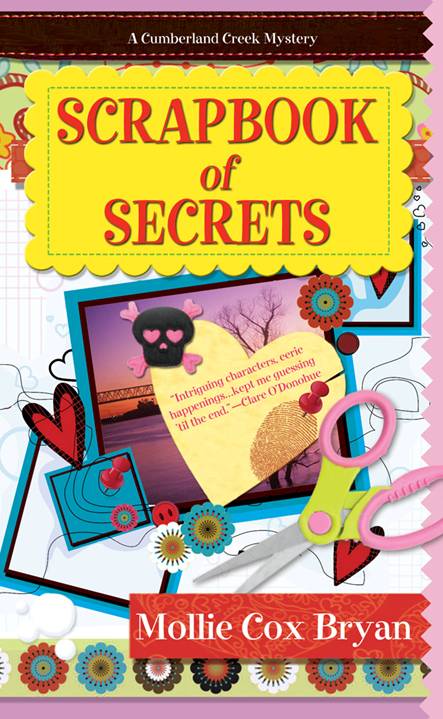 audio https://virginiapublicradio.com/wp-content/uploads/2013/03/prerollaggie.mp3%5D
You can hear more from Molly Bryan during the Virginia Festival of the Book. She’s on panels meeting this week in Charlottesville.
Eagle Deaths on the Eastern Shore
Posted in Virginia's News on March 19, 2013

Stock Photo
Virginia’s Department of Game and Inland Fisheries is investigating the mysterious deaths of four bald eagles found on the Eastern Shore.
Like a detective eliminating suspects Dr. Megan Kirchgessner, the vet investigating the deaths said one autopsy shows no smoking gun, literally.
“The one eagle that I necropsied I did not see any evidence of gunshot or trauma. I sent two intact eagles to one laboratory and we still have a fourth one in the freezer in case we need any extra samples,” she said.
A fifth immature eagle was recovered alive. The Wildlife Center of Virginia found the bird had ingested metal fragments and treated it for lead poisoning.
“He’s doing quite well. He arrived at the Wildlife Center a little bit depressed, dehydrated a little bit thin. But eating really well, and has been moved to an outside cage,” said Kirchgessner.
Kirchgessner said the bird offers no clues as to what happened. But the answer may be in lab results.
–Pamela D’Angelo
Gun Trafficking Legislation
Posted in Virginia's News on March 19, 2013
 A Virginia Republican is getting some heat for supporting a bipartisan bill to stop gun trafficking.
Scott Rigell was one of the first Republican lawmakers to sign onto gun control legislation. The bill he supports increases penalties on people caught trafficking guns. That did not sit well with the National Association for Gun Rights which put up ads in Rigell’s district saying the Republican wants to “pass Obama’s gun control.” Rigell says that’s an utter distortion.
“There’s no infringement whatsoever. The bill is very narrow in scope. It’s good legislation, so I’m glad I sponsored it.”
But the attack ads show how much pressure is on Republicans, and even Democrats, to keep the nation’s gun laws unchanged. But Rigell says he has no regrets.
“Well I certainly knew that there was some risk in standing next to my Democratic colleagues as a Republican on this issue, but there’s risk in doing what one thinks is right.”
Rigell also notes that he opposes universal background checks and banning assault weapons.
-by Matt Laslo
Man Saves Mountain
Posted in Virginia's News on March 19, 2013
 The Virginia Festival of the Book gets underway Wednesday, and this year the program features a remarkable writer who, with the help of his Virginia lawyers, saved a mountain.
Jay Leutze got his law degree from the University of North Carolina, but he decided not to practice. Instead, he moved to his family’s cabin on Yellow Mountain in the Roan Highlands – an area famous in geological circles for its grassy balds.
“They’re open pastures. We believe that they were kept open by wooly mammoths, then bison and elk, and then when European settlers came in, they were kept open by grazing cattle.”
He planned to hike, fish and write novels, but a real life story caught his ear when crews began cutting down trees across the valley to make way for a massive surface gravel mine – a facility that would blast and crush stone 24 hours a day. A permit had been issued without a single public hearing, but Leutze wasn’t sure anything could be done, until he got a call from a neighbor.
“She informed me that she had evidence that the mine owner was violating the Mining Act of 1971, and she asked me to meet her the next day, and that’s when I learned that she was a 14-year-old child. She was being raised by her Aunt Ollie and her Uncle Curly, and her Uncle Curley had given her a dial-up Internet connection for her birthday, and what she uncovered led to one of the great cases in regulatory history.”
Leutze also got help from Southern Environmental Law Center, based in Charlottesville, and because the mine could be seen and heard from the Appalachian Trail, its superintendant stepped in.
“When the Department of the Interior sent Pam Underhill into Avery County at one of these public meetings, it’s like time stood still in our little county. That the federal government was in the house to urge the state of North Carolina to revoke the permit — it was incredibly powerful!”
Opponents of the mine also used the Internet to reach hikers around the world.
“The most public comments that had ever been received in writing by this department on a mining permit was twelve. We submitted 3,650 public comments, and we basically shut down the state of North Carolina division for about three months.”
During a four-year battle to save their mountain, Leutze got to know and respect his neighbors – in particular Ashley’s aunt. He was so taken with her intelligence and humor, that he began his book with a description of Ollie Cox.
“The story of the Southern Mountains is told in her face. The crepe soft skin is laid over stone hard bone. She is as white as February snow, but her blue eyes smoulder.
I ask her, ‘Where did they come from-your father’s people?” I want to hear about her ancestors – the Cherokee side and the Scotch-Irish kin, the old timers who came here to hide or scratch dirt or seek a wage felling timber. I want to hear about her wire thin Appalachian grandmothers who walked these steep ridges, these wildflower slopes, but she can’t call it up. Either she can’t remember or she won’t.”
“She only shakes her head softly. ‘Son, you ain’t mountain. I’m mountain. That’s all the hell I am, and you wouldn’t never understand.’ She is right, but I will try.”
He succeeded so well that a publishers’ bidding war broke out over his book – Stand Up That Mountain, a memoir that ends with a victory in court. In 2004, the Putnam mine was closed, and when its owners asked to mine gravel at a site six miles away – beside the Blue Ridge Parkway – the state told them to take a hike.
Safe Drinking Water
Posted in Virginia's News on March 18, 2013
 About 1.7 million Virginians rely on wells, springs and cisterns for their drinking water. While municipal water supplies are tested daily under the Safe Drinking Water Act, people who rely on wells and springs are completely responsible for the care and maintenance of their water supplies.
The Montgomery County Water Clinic is Tuesday March 19) at the Blacksburg Recreation center.
Here is a list of the counties where water clinics are happening over the next 6 months: New Kent, Pittsylvania, Goochland, Hanover, Floyd, Montgomery, Shenandoah, Halifax, Mecklenburg, Roanoke, Pulaski, Powhatan, Albemarle, Charlotte, Frederick, Lunenburg, Nottoway, Warren, Charles City, Franklin, Rappahannock, Botetourt, and Clarke.
Open Government Laws
Posted in Daily Capitol News Updates on March 18, 2013
 Just a few days after marking Virginia’s “Freedom of Information Day,” the state Council that advises the General Assembly on open-government laws met to review its previous legislation and also plan for the upcoming year. And as Virginia Public Radio’s Anne Marie Morgan reports, a number of bills related to the Freedom of Information Act passed during the recent legislative session—but not all were Council recommendations.
Knot Yet
Posted in Virginia's News on March 18, 2013
 A new report from the University of Virginia shows some dramatic changes in the way Americans live, with nearly half of first births occurring out of wedlock and a tendency by couples to marry in their late rather than early 20’s. Sandy Hausman has details.
Lawmakers on the Federal Budget
Posted in Daily Capitol News Updates on March 15, 2013
 While there’s another threat of a government shutdown on March 27 unless the U.S. Senate and Congress reach some type of compromise, members of Virginia’s Congressional delegation say some progress is being made. And as Virginia Public Radio’s Tommie McNeil reports, there’s even a possibility of reducing the impacts of sequestration on Virginia.
Virginia Conversations: Tax Time!
Posted in Virginia Conversations on March 15, 2013
 On this edition of Virginia Conversations, it’s income tax time… and there are changes you need to know about. For example, if you’re expecting a refund from the state you won’t be getting a paper check anymore. Our panel of tax experts explains what’s new on the federal and state forms. Join host May-Lily Lee for Virginia Conversations.
Cuccinelli Kicks Off Conservative Political Action Conference
Posted in Virginia's News on March 15, 2013
 Conservatives from across the U-S are at the convention center at National Harbor for the annual Conservative Political Action Conference. Matt Laslo is there and reports that Virginia gubernatorial candidate Ken Cuccinelli kicked off the event.
Meaningful Mentoring
Posted in Daily Capitol News Updates on March 14, 2013
 Some of the state’s most influential people delivered a special message at the Virginia Mentoring Partnership luncheon: “Do something greater than yourselves.” As Virginia Public Radio’s Tommie McNeil reports, the participants and the keynote speaker, Governor McDonnell, stressed that mentoring is one of the most efficient means of securing a better future for the state and its residents.
Training Centers Close
Posted in Virginia's News on March 14, 2013
 Virginia is in the process of closing its state centers for people with intellectual and developmental disabilities. In 2012, the commonwealth reached a settlement with the U.S. Department of Justice on the Americans with Disabilities act. It helped spur a movement that began decades ago to people out of institutions and into private homes, where they could receive the most compassionate, least restrictive care. Robbie Harris has more on the story.
Reviewing Local Mandates
Posted in Daily Capitol News Updates on March 13, 2013
 One of the last things a locality wants to hear about is yet another unfunded mandate. It may cause the locality to scramble for resources, cut essential personnel, and do more with less. Members of the Governor’s Task Force for Local Mandate Review say one of the best ways to provide some moral and financial relief to localities is to put a moratorium on mandates. And as Virginia Public Radio’s Tommie McNeil reports, although passage of such a bill failed during this past General Assembly session, they’re optimistic that similar legislation will pass in the near future.
Lt. Governor Won’t Make a Bid for Governor
Posted in Daily Capitol News Updates on March 12, 2013
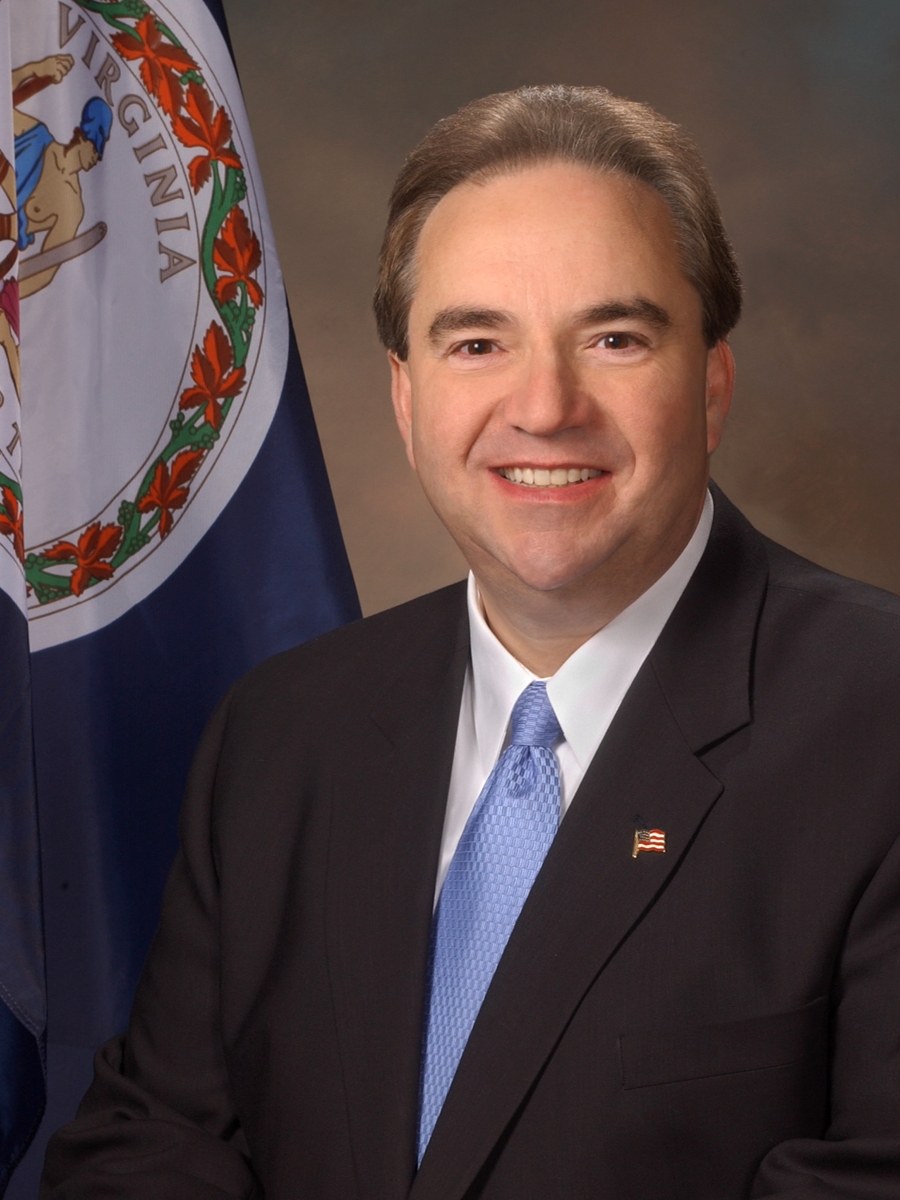 Republican Lieutenant Governor Bill Bolling will not run for Governor this year as an Independent. Bolling announced his decision in an e-mail to supporters.
Bolling said an Independent’s greatest challenge is fundraising—and that even with a winning message, a win is not possible without the resources to effectively communicate that message. Bolling estimated that he would have had to raise at least $10 – $15 million —made more difficult without party resources and donors.
He said he was confident that he could raise enough money to run a competitive campaign, but not confident he could raise enough to run a winning campaign. Bolling added that his decision was influenced by a growing dissatisfaction with Virginia’s current political environment, where the process, he said, has become much more ideologically driven, hyper-partisan, and mean-spirited—with agendas placed ahead of sound public policy.
Bolling wished presumptive gubernatorial nominees, Republican Ken Cuccinelli and Democratic Terry McAuliffe, well in their campaigns, and said he would return to the private sector.
— Anne Marie Morgan
Social Media & Privacy Issues
Posted in Daily Capitol News Updates on March 12, 2013
 A bereaved father is calling on Governor McDonnell to sign legislation that would allow parents to have access to their deceased minor child’s on-line and social media accounts, such as Facebook. Service providers had rebuffed the Nottoway dairy farmer when he asked them for help after his son died in 2011. And as Virginia Public Radio’s Anne Marie Morgan reports, he also hopes the new state law will inspire federal legislation.
Anti-Nuclear Demonstration in Richmond
Posted in Daily Capitol News Updates on March 12, 2013
 On the two-year anniversary of the Fukushima nuclear accident in Japan, anti-nuclear demonstrators rallied outside the Richmond headquarters of Dominion Virginia Power. The protestors say the Fukushima experience shows that the risk of disaster at nuclear facilities is far too great to keep operating them. And as Virginia Public Radio’s Anne Marie Morgan reports, they’re calling on Dominion to close its North Anna and Surry nuclear power stations—and instead use wind, solar, and other renewable resources.
Stormwater Regulations
Posted in Daily Capitol News Updates on March 11, 2013
 A recent lawsuit that Attorney General Ken Cuccinelli won against the EPA over its stormwater regulations has drawn attention to the challenges inherent in curtailing stormwater runoff. During the General Assembly session, state lawmakers took steps to address the problem. And as Virginia Public Radio’s Tommie McNeil reports, they included legislation to strengthen oversight of nutrient-management and more funding to localities for water quality improvement.
Many localities are required to adopt strategies to limit the total maximum daily load of nutrients that flow into water. It’s an additional burden to already cash-strapped localities with limited personnel. So, Senator Emmett Hangar sponsored a bill to consolidate oversight of water quality planning and laws for stormwater management, erosion, and sediment control programs. The Department of Environmental Quality will be the lead agency.
All of this comes at a hefty cost to the state and localities, and Governor McDonnell says lawmakers saw the urgency in finding the money:
For now, other agencies will share some responsibilities with the DEQ.
VaNews for 3.11.13
Posted in VaNews from VPAP on March 11, 2013
 The two top contenders to be governor of Virginia talked about the weather last week while a Republican delegate decided he’d seen enough of politics. Both those stories were among the most clicked on Virginia Public Access Project’s Va News link. Fred Echols reports.
VaNews is a free public service of the Virginia Public Access Project and can be found at vpap.org.
Bald Eagle Released
Posted in Virginia's News on March 11, 2013
 A female bald eagle has been released in the Northern Neck of Virginia after recovering from injuries. Onlookers came for a variety of reasons, some quite personal. Pamela D’Angelo reports.
You can watch the progress of other animals and follow the bald eagle NX at wildlifecenter.org.
Agricultural Exports
Posted in Daily Capitol News Updates on March 7, 2013
 Governor McDonnell says the state’s strongest economic driver is doing better than ever. While the Governor is still concerned about the jobs that may take a hit due to sequestration, he says the increase in agricultural jobs does provide a silver lining.
The Governor announced that Virginia has reached a new all-time high of $2.61 billion dollars in agricultural exports in 2012. That shatters the old record by 12%. And agricultural exports, which include forestry products, have also grown in value by roughly 17% since 2010.
He says the export growth is the result of several trade missions over the last few years, including one to Asia.
And soybeans are now the top export, followed by wheat, corn, barley and other grains. Pork and poultry come in at third, followed by leaf tobacco.
The Governor says Canada is now the state’s second largest trading partner, with Morocco, Switzerland, and Turkey trailing. He adds that his administration has also been strengthening relations with Saudi Arabia and Cuba.
Virginia Conversations: Remarkable Childhoods
Posted in Virginia Conversations on March 7, 2013

Starchild Abraham Cherrix with his mother, Rose Cherrix
On this edition of “Virginia Conversations” we track down two young people who found themselves in the national spotlight several years ago: Starchild Abraham Cherrix – the Virginia teen who went to court over his fight for alternative cancer treatment…And Callie Conley – one of the two babies accidentally switched at birth back in the 1990’s. Where are they now, and how are they doing.
Snow Day
Posted in Virginia's News on March 6, 2013
 The heavy snow continues to fall in parts of Virginia, downing power lines and cutting off service to thousands of Virginians. Beverly Amsler has the latest on the winter storm.
Cigarette Smuggling
Posted in Daily Capitol News Updates on March 6, 2013
 Over the last few weeks, Governor McDonnell has been scrutinizing 812 bills sent to him by the General Assembly. Among them is a package of legislation to penalize “possession with the intent to distribute” a legal product. And as Virginia Public Radio’s Anne Marie Morgan reports, its goal is to stop the traffickers of contraband cigarettes, who’ve made millions of dollars while the Commonwealth loses revenue.
Virginia’s Drone Moratorium
Posted in Virginia's News on March 4, 2013
 The federal government’s role in the use of drones inside the U.S. may be expanding, but state lawmakers have put the brakes on deploying them within Virginia’s borders. Legislation that’s now under review by Governor McDonnell would place a moratorium on state and local use of drones. The unmanned aircraft could not be deployed for two years—while parameters and safeguards are studied.
Concerns that drones could violate rights and invade privacy prompted an alliance between the state ACLU and lawmakers to put drone deployments on hold—at least temporarily.
“I want to live in a world much more akin to that that was envisioned by our Founding Fathers than one that was envisioned by a gentleman named George Orwell. And I think we’re rapidly approaching a time in our history where this type of technology is so pervasive that we could very well lose what we think of as our privacy rights,” said Delegate Todd Gilbert, who sponsored one of the bills.
He said the initial plan was not for a moratorium.
“We were trying to develop a framework by which we could allow law enforcement and regulatory agencies to use this technology in a way that was not an invasion of privacy. And I think a lot of the law enforcement elements did not want anything but the unfettered use of this technology, and that gave us great pause. So we decided to go with a moratorium.”
Exceptions are made for searches and rescues, Virginia Guard training and emergencies, Amber or Senior Alerts—or Blue Alerts when police officers are in danger. But the drones cannot be weaponized.
–Anne Marie Morgan
VaNews for 3.4.13
Posted in VaNews from VPAP on March 4, 2013
 Owners of hybrid vehicles in Virginia are letting Governor McDonnell know what they think of one provision of the new transportation bill and a lawmaker from Hampton Roads is retiring after 30 years in the General Assembly. Those are two of the most read newspaper stories at Virginia Public Access Project’s VaNews link on vpap.org.. Fred Echols reports.
VaNews is a free public service of the Virginia Public Access Project and can be found at vpap.org.
Life After Knee Replacement
Posted in Virginia's News on March 4, 2013
 Each year, half a million people in this country have knee replacement surgery, and by 2030 that number is expected to reach three million. After surgery, you might expect those patients to be more active and to lose weight, but a study by Virginia Commonwealth University suggests the opposite is true – and that could spell trouble for the nation’s long-term health as Sandy Hausman reports.
Prosecutors & Public Defenders
Posted in Virginia's News on March 4, 2013
 Prosecutors and public defenders in Virginia are paid by the state, but on average, lawyers who work for the Commonwealth’s Attorney make 25% more than lawyers who defend the poor. Now, Sandy Hausman reports that one public defender is asking for a raise, and others may follow suit.
Revitilizing Cities
Posted in Daily Capitol News Updates on March 1, 2013
 When the average tourist thinks about historic Virginia cities to visit, one of the most popular destinations is Colonial Williamsburg. It’s not the only destination where one can take in a history lesson, but some of the others have endured an economic slump and are not always popular tourist destinations. But, under a bill heading to the Governor, some of these areas could get an economic boost without imposing extra taxes on the localities or getting more funding from the state.
Richmond and Petersburg are just a few Virginia cities with significant historic value, but some sections seem to have been abandoned and left to deteriorate. They’re not even appealing to the residents who live in those sections and are often etched out of the travel itineraries of would-be travelers. Delegate Rosalyn Dance of Petersburg says her vacant- building bill will, in several ways, help restore her city and those like it.
“To let us raise registration fees considerably as well as put penalties on those folks like absent landlords that are not taking care of their properties. So that we can be compensated for what it costs us to track them down and make it happen, to make them feel a little bit better and hopefully to be able to remove for us and Petersburg like over 233 red-tagged buildings,” said Dance.
Those penalties would increase the annual registration fee on the owner of a derelict building from $25 to $100. The civil penalty for failing to register that building increases from $50 to $200 and from $250 to $400 if that building is in a designated conservation or rehabilitation district. Dance says ultimately, the goal is to boost tourism. She adds that 15 such Virginia cities could benefit from this bill.
–Tommie McNeil
Virginia Conversations: School Security
Posted in Virginia Conversations on March 1, 2013
 On this edition of “Virginia Conversations,” the topic is school security. It’s being discussed from PTA meetings, to the General Assembly, and around kitchen tables everywhere.
Host May-Lily Lee talks with guests from two organizations representing school principals and superintendents, a Police Chief, and a member of the Governor’s Task Force on School Safety.
Virginia Lawmakers Weigh in on the Federal Budget
Posted in Virginia's News on March 1, 2013
 Officials in Virginia are bracing for the impact of the federal budget cuts that start trickling down. Matt Laslo reports that lawmakers in the commonwealth disagree about what should be done with the sequestration.
VA Sen. Mark Obenshain’s Legislation
Posted in Daily Capitol News Updates on February 28, 2013
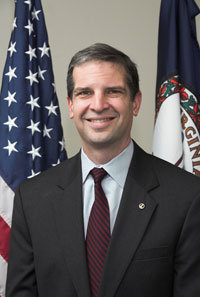
Mark Obenshain
Some of the laws that passed during this year’s General Assembly session did so with little fanfare. Others gained lots of attention initially but received little follow-up—and one lawmaker sponsored two such bills. While you may not hear much about them now, they’re likely to become hot topics in the near future since that lawmaker is running for higher office.
Senator Mark’s Obenshain’s voter ID bill was one of the most talked-about bills this session. It eliminates varying forms of identification without photos that were just approved last year. Democrats still argue that this bill is overreaching and disenfranchises voters. Obenshain says it is a common-sense bill that’s received broad support in some polls. But another bill that’s headed to the Governor’s desk revolves around the gun control debate.
“To keep confidential the concealed carry permit information which is another common sense privacy measure,” he says.
This became a hot-button issue after Virginia and New York newspapers published the names of concealed-carry holders after the Virginia Tech and Sandy Hook shootings. Obenshain’s bill prohibits circuit court clerks from publicly disclosing an applicant’s name and other identifying information contained in a concealed handgun permit application. Obenshain is running for Attorney General, and he says these issues are part of the message that he wants to carry across Virginia as he moves into campaign mode.
–Tommie McNeil
Trends at the Table
Posted in Virginia's News on February 28, 2013
 Two new surveys from the Centers for Disease Control suggest some progress in improving the way Americans eat, but experts are not ready to celebrate yet.
From 2007 to 2010, adults – on average — got just over 11% of their daily calories from fast food – a decrease of about two percent from the period between 2003 and 2006. That said, two demographic groups still favor fast food.
“If you were in the like the 20-39-year-old age group, you were more likely to consume fast food,” says John Sirard, a professor at the University of Virginia, specializing in exercise and its impact on the body. He says African-Americans also tended to consume more fast food than white or Hispanic adults. Looking at children, the CDC found overall consumption of calories down, but childhood obesity was up three percent.
“If caloric intake is going down, but obesity is still going up, the last piece of the puzzle that we’re truly missing is the physical activity.”
Sirard says he worries that children are still spending too much time staring at computer and TV screens when they should be exercising. He’s cautiously optimistic about the numbers of adults eating fast food, but he’s not sure whether a decline in consumption of carbohydrates among kids is good news.
“You know that might be a good thing if we’re getting rid of the white bread and simple sugars, but if we’re losing some high fiber, complex carbohydrate foods, then that’s not a good thing, so I’m willing to bet we’re going to be seeing some more in-depth analysis in the months to come.”
Sirard says the problem of obesity in this country is complex and will take efforts at many levels to undo – from government policy and school lunches to family meals and rules.
–Sandy Hausman
Sen. Tim Kaine Takes the Floor
Posted in Virginia's News on February 28, 2013
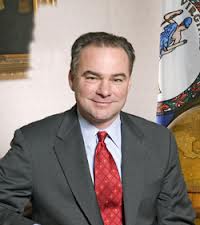 Virginia’s newest U-S senator, Tim Kaine, delivered his maiden speech on the Senate floor this week. Matt Laslo reports from the Capitol that his first address to his colleagues came much earlier than expected.
Stalking Legislation
Posted in Daily Capitol News Updates on February 27, 2013
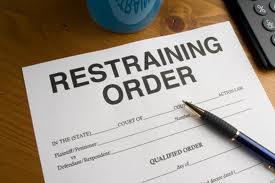 A bill that is now under review by Governor McDonnell strengthens current state laws on stalking —although its sponsor says the law still needs to be even tougher. Delegate Jennifer McClellan hopes her bill will encourage law enforcement to take reports of stalking and domestic abuse more seriously.
It would become a felony if someone convicted twice of stalking had also been convicted of committing violent acts against the same victim within five years. It would also apply if the aggressor had violated a protective order within that period.
Currently, stalking is a felony after three offenses. This first hit home for McClellan when a University of Richmond student, De’Nora Hill, applied for a permanent protective order against her ex-boyfriend in 2005. She was not able to get it before he shot her to death. McClellan promised to submit the bill until it passed, which didn’t happen until this year. She says it’s disappointing that it took so long:
“You know, the sad thing is after De’Nora then we had Yeardley Love. That wasn’t enough, and then this past year, Tiffany Green. Tiffany’s mother is a constituent and it just sort of reinforced why it was important. And to be honest it’s not quite done. I think we should still keep working to make it a felony after the second offense,” said McClellan.
McClellan says the costs related to enforcement prevented this from passing before now. She worked with state leaders to cut that cost in half by targeting only the worst offenders.
–Tommie McNeil
Lava Living
Posted in Virginia's News on February 27, 2013

Photo: U.S. Dept of Interior/U.S. Geological Survey
Climate change is forcing some Virginians to consider a move. Coastal areas and islands like Tangiers are losing land as the sea rises, flooding is more frequent, and hurricanes could be more dangerous than ever. But for one Virginia couple, natural disasters are no deterrent. They’ve chosen to live in one of the riskiest places on Earth.  Sandy Hausman has their story.
President Obama Visits Virginia, Talks Budget Cuts
Posted in Virginia's News on February 26, 2013
 President Obama was in Newport News, Virginia today highlighting the impact of pending budget cuts on the state’s defense industry. Virginia Republicans are glad the president is highlighting the state’s robust defense industry. But Virginia Congressman Randy Forbes says the president’s time would have been better spent in Washington negotiating with congressional leaders.
“The President instead has surrounded himself with these campaign stops where he puts people who already agree with him around to cheer and clap everything he says, but if you want to reach true compromise the best way to do that is to go into a room with people who might disagree with you,” said Forbes.
But Virginia Democrats are defending the president’s trip. Senator Tim Kaine says its good the White House is calling attention to the potentially devastating impact of the pending budget cuts, called sequestration.
“I think part of the reason the President is going is to just make sure that we’re not just talking about numbers on a page here. We’re talking about real consequences,” said Kaine.
On Capitol Hill everyone is bracing for sequestration to strike on Friday, but the two sides still don’t appear to be moving any closer to a deal, which means hundreds of thousands of workers in the Virginia could be furloughed.
–Matt Laslo
Distracted Driving Legislation
Posted in Daily Capitol News Updates on February 26, 2013
 The passage of Virginia’s transportation-funding bill was not the only change of heart that took place in the General Assembly this session. Another was tackling a growing traffic-safety hazard that did not even exist a generation ago—and making it a primary offense. And as Virginia Public Radio’s Anne Marie Morgan reports, it not only toughens current state penalties against texting while driving, but it targets similar communications.
Climate Change & Congress
Posted in Virginia's News on February 25, 2013
 After being eclipsed by other issues for a couple of years climate change is now back in the spotlight on Capitol Hill. Matt Laslo caught up with members of the Virginia congressional delegation and has this snapshot of the debate now boiling in the nation’s capital.
Fixing Failing Schools
Posted in Daily Capitol News Updates on February 25, 2013
 Virginia’s most under-performing schools would be transferred to a new state Opportunity Educational Institution thanks to General Assembly passage of a budget amendment over the weekend. The bill to create the new state entity had already been approved and sent to the Governor, but it would not have taken effect without the funding. And the controversy over the bill did not end with its passage.
The bill requires schools that are denied accreditation and permits schools that have been accredited with warning for three years to be transferred to the Institution. A new state Board, with all the powers of a local school board, would administer the statewide division. Governor McDonnell says improving failing schools was one of his top priorities.
“… To create dramatic and sustainable reforms in our K-12 public education system so that every young person has a great school with a great teacher regardless of their home, background, age, or zip code.”
But it violates the state Constitution, says Robley Jones with the Virginia Education Association.
“The Constitution says that the school boards and in their various divisions have supervisory authority over the schools. And this bill takes the supervisory authority away from those local school boards and gives it to a state entity. And we do anticipate litigation.”
Jones says some local school boards will likely sue. The $150,000 provided are less than the Governor requested, so he said he may propose additional funds.
–Anne Marie Morgan
VaNews for 02.25.13
Posted in VaNews from VPAP on February 25, 2013
A Virginia sheriff was surprised when his statement against gun control laws was removed from his county’s website and the General Assembly is trying to make it easier for parents to get information from online accounts after the death of a child. The Virginia Public Access Project reports those were among the most clicked newspaper stories this week at the Va News link on vpap.org. Fred Echols reports.
Straw Purchase Legislation
Posted in Daily Capitol News Updates on February 22, 2013
 Department of Justice figures suggest that about 40% of all firearms used in crimes are obtained via straw purchases.
Those statistics inspired a gun-rights advocate and state lawmaker to sponsor a “straw purchase” bill that has now passed both houses of the General Assembly. As Tommie McNeil reports, his goal is to help reduce the number of incidents like the Newtown and Virginia Tech shootings.
Senator Tom Garrett says in most recent mass shootings, the shooter had some documented level of instability prior to the incident. In the case of William Spengler, who set his New York house ablaze so that he could target firefighters, he was already prohibited from owning a firearm, but someone acquired a weapon for him. While Garrett says this incident has escalated the argument about gun control, he also says there’s been too much focus on the inanimate object and not on the people responsible for senseless acts of violence.
“This will hopefully help to send the message that we take this seriously that there’s real time coming if you buy a gun for someone that you know is prohibited by law from having that gun, and also will help to get people who do this off the streets.”
A straw purchase of a firearm is already a felony in Virginia, but this law stiffens the penalties and imposes mandatory minimum sentences for both the person who obtains the weapon and the recipient. The bill now heads to the Governor.
-by Tommie McNeil
Virginia Conversations: Doug Wilder
Posted in Virginia Conversations on February 22, 2013
 On this episode of Virginia Conversations, host May-Lily Lee talks with Doug Wilder, one of Virginia’s most-influential and groundbreaking African-Americans. The first black Governor of Virginia– and first black governor of any state since Reconstruction– Wilder discusses the political road that led him to the state’s top job.
Election Laws
Posted in Daily Capitol News Updates on February 20, 2013
 Virginia attorneys general would have the power to investigate and prosecute violations of election laws under legislation that has been approved by the state Senate. As Virginia Public Radio’s Anne Marie Morgan reports, the controversial new authority survived by the slimmest of margins.
Meet the Oyster Professor
Posted in Virginia's News on February 20, 2013
 Oysters were once plentiful on Virginia’s Eastern Shore, but their numbers have fallen dramatically over the last century, due to overfishing, pollution and disease. Scientists and watermen are working to bring them back, and the partnership has led to a unique course at the University of Virginia – one taught, in part, by a man who has no PhD but could easily write a dissertation on his beloved bivalves. Sandy Hausman reports.
VaNews for 02.18.13
Posted in VaNews from VPAP on February 19, 2013
Virginia Governor Bob McDonnell will reduce the hours of thousands of state workers in response to the Affordable Care Act, and a new report sheds light on how the Commonwealth stacks up against other states on some politically powerful issues. Those stories were among the most-read newspaper reports this past week at VaNews, Virginia Public Access Project’s daily online compilation of political reporting from around the state. Fred Echols reports.
VaNews is a free public service of the Virginia Public Access Project and can be found at vpap.org.
Lawmakers Debate Generics
Posted in Virginia's News on February 19, 2013
 Virginia could become the first state in the nation to restrict a new class of generic medications. But drug companies want limits and some pharmacists are concerned.
Amgen is the world’s largest biotech company – a California firm that makes medicines from living cells. These remedies, known as biologicals, are expensive and protected by patents, but the Affordable Care Act clears the way for cheaper, generic forms of these products.
John O’Bannon serves in Virginia’s House of Delegates, representing parts of Richmond and Henrico County. He recently got a call from Amgen, asking for help in crafting a bill that would restrict the prescription of generic biologicals.
Now O’Bannon isn’t your ordinary politician. “I’m your brain doctor. I’m a neurologist.”
And he says there were problems in the early days of generic drugs. “Some of our seizure patients had problems with generics, and over time I think generics have gotten better and we’re more comfortable with them.”
But he’s not yet comfortable with the idea of generic biologicals. “They’re going to be similar. They’ll be FDA approved, but they’re not identical.”
So he sponsored a bill that would allow doctors or patients to insist on brand name drugs instead – making it illegal for pharmacists to dispense the cheaper medications.
The president of the Generic PharmaceuticalAssociation, Ralph Neas, thinks that’s a terrible idea.
“Generics have saved this country a trillion dollars according to published reports in the last decade, about $200 billion in 2011 alone. We expect that biosimilars will do the same thing,” said Neas.
The bill also requires drug stores to notify doctors and patients if they dispense a generic biological, and keep records of doing so for two years. Pharmacists have told the Virginia legislature that O’Bannon’s bill will make their jobs much more difficult.
“You know the CVS guy says we’re going to have to get a whole new computer system to do this, I just don’t buy that,” said O’Bannon.
His bill also requires pharmacies to say, on the label, when a generic biological was used as a substitute for the brand name drug. Three trade associations representing pharmacists think that will only confuse consumers.
Federal law does not require Amgen’s Political Action Committee to report campaign contributions to state candidates, but O’Bannon admits he’s taken money from the pharmaceutical industry.
“I, yes, and I have gotten, and that’s listed. I have fundraisers and I’ve gotten money from the folks that are pushing this and the folks who are agin’ it,” he said.
Both the House and Senate have now approved the bill in Richmond, and the Governor is expected to sign it into law.
–Sandy Hausman
School Safety
Posted in Daily Capitol News Updates on February 19, 2013
 Public schools would be required to establish threat assessment teams and procedures under legislation that has advanced in the House of Delegates. The measure is a recent recommendation of the Governor’s Task Force on School and Campus safety—which was created after the Connecticut school shootings. It takes a practice already used at the college level and adapts it to elementary, middle, and high schools.
Under the bill, schools would form teams and implement best practices to assess students whose behavior could pose a safety threat to the staff or students. They would also make plans for intervention, including referrals to community services boards or health-care providers for evaluation or treatment. Delegate Joe Morrissey wondered about how threats would be defined and if the bill protects student privacy. He was also concerned about students who are simply not well-behaved.
“What safeguards do we have that these voluntary members of this threat assessment team would not abuse their position to get the medical records of a 4th-grader who created some disruptive behavior?” asked Morrissey.
Delegate Scott Ligamfelter said local leaders would be in charge.
“I trust the principals and the senior leadership of people that have been put in authority of our schools. They are consummate professionals. They will be at the helm in selecting these very fine people. I don’t think that they’re going to select people that are not capable to do this.”
To alleviate privacy concerns, the House deleted a reference to student criminal and health information. The bill faces a final House vote before heading to the Senate.
–Anne Marie Morgan
Payday Lending Update
Posted in Daily Capitol News Updates on February 15, 2013
 Many lawmakers and advocates still have abolishing predatory lending practices in Virginia on their agenda… although it hasn’t been discussed much this legislative session. But one organization says that since the General Assembly passed reforms, fewer people have been trapped by the high-interest loans that were supposed to be temporary assistance for those with a financial crisis.
The Virginia Partnership to Encourage Responsible Lending says the number of payday lending institutions has declined from 769 in 2008 to 267 in 2011. 470,000 loans were made in 2011 compared to 3.3 million in 2008. But more title loan, Internet, and open-end credit lending agencies that charge high fees and interest rates are now doing business. The Virginia Credit Union League’s Louis Wood says those lenders prey on people who think they have no recourse. But he says most don’t know that credit unions offer alternatives.
“So often we’ll pair that with financial counseling and also with other products that help the borrower build credit or encourage savings. And you know our message to our consumers is this: If you are a member of a credit union, look to your credit union for those small dollar emergency loans. If you’re not yet a member of a credit union, there’s a credit union out there eager to serve you no matter what your financial need or financial situation,” says Louis Wood with the Virginia Credit Union League.
VaPerl members say they’re being proactive in educating people about alternatives to predatory lenders, but it will take time. They’re pursuing legislation to crack down on Internet lending—which IS illegal, but uses loopholes that must be closed.
–Tommie McNeil

Subscribe to our RSS Feed
 From NPR News
- Telehealth abortion will remain available for now, after a federal judge's ruling
- Trump has backed down from his threat to wipe out Iran's civilization
- The Artemis II crew saw parts of the moon never seen before. Here's what they said
- Congressional Democrats raise alarm over Trump's comments on Iran
- ICE acknowledges it is using powerful spyware
- In a stark reversal, President Trump announces two-week ceasefire with Iran
- Astronauts suggest naming a moon crater 'Carroll' after their commander's late wife
- Drive slower, go electric, don't drive at all? Americans weigh options for saving gas
- Photos: NASA releases first images from moon flyby
- Australia charges ex‑soldier with 5 war‑crime murders in Afghanistan
- From BBC News
- Iran ceasefire deal a partial win for Trump - but at a high cost
- What we know about the two-week ceasefire between the US and Iran
- How Pakistan helped secure a fragile ceasefire between the US and Iran
- Oil plunges after US-Iran ceasefire deal to reopen Strait of Hormuz
- Why the Strait of Hormuz matters so much in the Iran war
- Wireless Festival cancelled after Kanye West blocked from coming to UK
- Tributes after British teenager dies while visiting Vietnam
- Strictly star will not face rape charges, police say
- Plan 2 student loan interest rates capped at 6% in England
- Bill Gates set to testify before US Congress in Epstein investigation


 Virginia Public Radio